- 首页 > 正文
APACC国际视野丨Joe Jarvis教授:晚期HIV疾病防治挑战与全球应对策略
感染医线 发表时间:2025/6/24 17:20:54

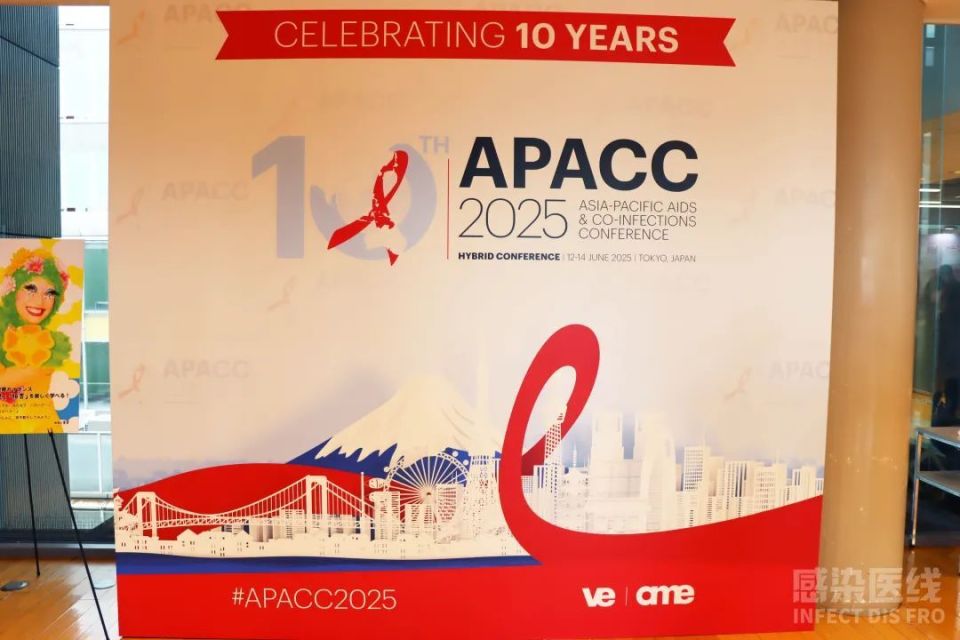
编者按:随着抗反转录病毒治疗(ART)的普及,艾滋病已逐渐成为可管理的慢性病。然而,全球每年仍有约60万人死于晚期HIV疾病,这一"被忽视的疾病群体"正成为防控新挑战。在近日举行的2025年亚太艾滋病与合并感染大会(APACC 2025)上,《感染
01
《感染医线》:您在报告中将晚期HIV感染者称为“被忽视的疾病群体”,其依据是什么?世界卫生组织(WHO)报告中哪些关键信息反映了这种被忽视的状态?

Joe Jarvis 教授
英国国家健康研究所
此前普遍预期,随着抗反转录病毒治疗(ART)的广泛推广,晚期HIV疾病将会消除。当时的主流观点认为,这主要是一个延迟就医的问题——即患者要么在疾病晚期才接受检测,要么在疾病进展到晚期阶段才开始治疗。因此,人们预期扩大检测范围和推行早期治疗将解决该问题。
然而,我们的观察结果与此预期不符。过去四五年间,全球范围内与获得性免疫缺陷综合征(AIDS)相关的死亡人数一直相对稳定,每年约为60万人。这些死亡由AIDS或晚期HIV疾病引起,但缺乏有效的统计。当前HIV治疗项目的评估指标主要关注接受检测的人数、开始治疗的人数以及实现病毒学抑制的人数。我们已不再系统性地追踪有多少人病情恶化或死亡。
现有数据揭示了两个关键问题:首先,全球仍有相当大比例的人群(约30%)在首次就医时就已处于极晚期状态,其CD4+ T细胞计数在200 cells/μL或以下。其次,我们越来越多地发现,那些曾开始治疗并实现了病毒学抑制的患者存在中断治疗的情况。一旦中断治疗,其病毒载量会迅速反弹,CD4+ T细胞计数随之下降,最终发展为晚期HIV疾病。
如今,日益凸显的是,正是这一群体出现了机会性感染,并构成了主要的死亡病例。因此,重新关注这一被忽视的群体——我们的监测和评估系统、研究努力和项目都忽视了他们——变得至关重要。为了解决这一问题,世界卫生组织(WHO)预计将于今年晚些时候发布关于晚期HIV疾病管理的更新版指南。
IDF: You described individuals with advanced HIV infection as a ‘neglected disease group’ in your report. What evidence supports this characterization? Which critical findings in World Health Organisation (WHO) reports reflect this neglected status?
Prof. Jarvis: I believe there was an anticipation that widespread rollout of antiretroviral therapy would eliminate advanced HIV disease. The prevailing view was that this was primarily a problem of late presentation to care – people either not getting tested until very late in their illness or not starting treatment until an advanced stage. The expectation was that expanding testing and early treatment would resolve the issue.
However, what we've observed contradicts this. Global AIDS-related deaths have remained relatively steady over the past four or five years, at approximately 600,000 people annually. These deaths are caused by AIDS or advanced HIV disease, yet they are not adequately measured. Current metrics in HIV treatment programs focus on the number of people tested, initiated on treatment, and achieving virological suppression. We are no longer systematically tracking how many people are becoming seriously ill or dying.
Data now reveal two key issues: first, a significant proportion of people globally – about 30% – still present for care very late, with a CD4 count of 200 cells/μL or less at their first presentation. Second, we increasingly see individuals who initiated care and achieved virological suppression interrupting their treatment. Following interruption, viral load rapidly rebounds, CD4 counts decline, and advanced HIV disease develops.
It is increasingly this group who present with opportunistic infections and account for the fatalities. Therefore, refocusing on this currently neglected group – overlooked by our monitoring and evaluation systems, research efforts, and programs – is critically important. To address this, the World Health Organization is expected to release updated guidance on managing advanced HIV disease later this year.
02
《感染医线》:作为影响HIV感染者生存与生活质量的重要机会性感染,隐球菌性脑膜炎的风险分层管理至关重要。您参与的AMBITION-cm试验开发了一个新型死亡风险预测工具,该工具如何指导临床制定个体化治疗方案?

Joe Jarvis 教授
英国国家健康研究所
作为AMBITION临床试验的一部分,我们评估了相关死亡风险并制定了风险评分量表,该成果已发表于《柳叶刀·全球健康》(The Lancet Global Health)[1]。这份临床评分量表已开放获取,可供临床医生用于建立患者风险预测模型。
不过现阶段,我认为我们尚不具备根据风险评分调整抗真菌治疗方案的条件。我们建议所有隐球菌性脑膜炎患者都应接受WHO推荐的任一治疗方案:包括基于单次大剂量两性霉素B脂质体的AMBITION-cm方案,或采用两性霉素B脱氧胆酸盐联合氟胞嘧啶的其他推荐方案。
展望未来,我们希望能实现基于风险分层的个体化治疗。部分低风险评分患者在完成两性霉素B脂质体初始单次大剂量治疗后,或可早期出院转为门诊管理;相反,其他患者则接受加强治疗管理;尽早识别这些患者并给予重症监护可能降低死亡率。但目前我们尚未达到这一阶段,统一的标准治疗方案仍是合适的选择。
随着新型治疗手段的出现——例如针对危重患者的强化免疫辅助疗法,或适用于轻症患者的新型口服治疗方案——未来或将实现治疗分层。但就目前而言,我们仍推荐所有患者采用WHO批准的标准治疗方案。
IDF: Cryptococcal meningitis, a major opportunistic infection threatening the survival and quality of life of people living with HIV, requires risk-stratified management. The AMBITION-cm trial you participated in developed a novel tool for predicting mortality risk. How does this tool guide clinicians in developing personalised treatment regimens?
Prof. Jarvis: As part of the AMBITION trial, we did assess mortality-associated risks and developed a risk score, recently published in The Lancet Global Health[1]. This score is freely available online for clinicians to utilize in developing risk models for their patients.
At this stage, however, I don't believe we're ready to implement management stratification based on antifungal therapy. We recommend that all patients with cryptococcal meningitis receive one of the WHO-recommended regimens: either the AMBITION-cm regimen (based on a single high dose of liposomal amphotericin B) or other recommended regimens using amphotericin B deoxycholate combined with flucytosine.
Looking ahead, we hope to stratify treatment based on risk. Some patients with low-risk scores might be discharged very early after their initial bolus dose of liposomal amphotericin B and managed as outpatients. Conversely, others will require much more intensive management; identifying these patients early for intensive care could reduce mortality. We are not yet at that stage, though. For now, uniform treatment is appropriate.
As new treatments emerge – such as more potent adjunctive immune therapies to reduce mortality in the sickest patients, or novel oral therapies suitable for less severe cases – future stratification may become feasible. Currently, however, we recommend all patients receive one of the standard WHO-approved treatments.
03
《感染医线》:尽管抗反转录病毒治疗(ART)的普及使AIDS成为可管理的慢性病,但可预防的死亡仍时有发生。为进一步减少这类死亡,您认为未来HIV防控工作需要加强哪些关键环节的工作?

Joe Jarvis 教授
英国国家健康研究所
如我先前所述,我们观察到两类主要人群正面临晚期HIV疾病进展及死亡风险。
第一类是初次就诊时已处于疾病晚期的患者。针对这类患者,扩大检测服务并确保及时启动治疗至关重要,以便这些患者能在疾病进展前迅速获得治疗。
然而在多数情况下,更庞大的群体是那些已经开始接受治疗却中途中断的患者。因此,深入分析治疗中断的根本原因、采取提高治疗依从性的措施,以及防止治疗中断,对控制晚期HIV疾病发展具有重要意义。
在降低死亡率方面,临床医生必须充分认识到:无论是初诊患者还是治疗中断者,其患有晚期HIV疾病的可能性都相当高。在许多临床场景中,就诊患者约有三分之一已处于疾病晚期。这凸显了在患者照护过程中开展CD4+ T细胞检测以识别晚期病例的重要性。
对于确诊的晚期HIV疾病患者,严格执行WHO推荐的筛查、预防及治疗方案,是降低死亡率的关键措施。
IDF: Although the widespread availability of antiretroviral therapy (ART) has transformed AIDS into a manageable chronic condition, preventable deaths persist. To further reduce such mortality, in which key areas should future HIV control efforts be strengthened?
Prof. Jarvis: As I mentioned earlier, we're essentially observing two distinct patient populations developing advanced HIV disease and facing mortality risks.
The first group consists of individuals who initially present late for care. To address this, it is crucial to expand testing services and ensure timely initiation of treatment so that these patients can receive treatment quickly before the disease progression.
However, in many settings, a significantly larger group comprises those who have already entered care but subsequently interrupt their treatment. Understanding the underlying reasons for treatment discontinuation, implementing measures to improve care retention, and preventing therapy interruptions are therefore critical to curbing advanced HIV disease development.
Regarding mortality reduction, it's imperative that treating clinicians recognize the high probability of advanced HIV disease - whether in first-time presenters or treatment interrupters. In many clinical scenarios, there's approximately a one-in-three chance that the patient before them has advanced HIV disease. This underscores the importance of performing CD4 counts during patient care to identify advanced cases.
For confirmed advanced HIV disease cases, consistent implementation of the WHO-recommended screening, prophylactic, and treatment protocols is essential for mortality prevention.
▌参考文献:
[1] Samuels THA, Molloy SF, Lawrence DS, et al. Personalised risk-prediction tools for cryptococcal meningitis mortality to guide treatment stratification in sub-Saharan Africa: a prognostic modelling study based on pooled analysis of two randomised controlled trials. Lancet Glob Health. 2025;13(5):e920-e930. doi:10.1016/S2214-109X(25)00010-5



Joe Jarvis 教授
英国国家健康研究所
Joe Jarvis教授现任英国国家健康研究所(NIHR)全球健康研究教授,工作于伦敦卫生与热带医学院(LSHTM)和博茨瓦纳哈佛AIDS研究所合作项目,常驻于博茨瓦纳哈博罗内与伦敦两地。
他的主要研究领域包括晚期HIV疾病、机会性感染、隐球菌性脑膜炎及其他中枢神经系统感染,以及针对低CD4+ T细胞计数患者快速安全启动抗反转录病毒治疗(ART)的策略。Jarvis教授曾担任AMBITION-cm临床试验的首席研究员,该研究在博茨瓦纳、津巴布韦、南非、马拉维和乌干达评估了HIV相关隐球菌性脑膜炎的新疗法。近期,他还担任博茨瓦纳综合预防项目(BCPP)CDC实施方案的研究主任。
作为NIHR全球健康研究教授,他领导着一个专注于HIV相关真菌感染的NIHR全球健康研究组。Jarvis教授是世界卫生组织(WHO)《晚期HIV疾病管理和快速启动抗逆转录病毒治疗指南》(Guidelines for Managing Advanced HIV Disease and Rapid Initiation of Antiretroviral Therapy)外部评审组成员,同时参与制定了WHO《成人、青少年及儿童HIV感染者隐球菌病的诊断、预防和管理指南》(Guidelines for Diagnosing, Preventing and Managing Cryptococcal Disease Among Adults, Adolescents and Children Living with HIV)。
除科研工作外,Jarvis教授还在博茨瓦纳和伦敦热带病医院担任感染性疾病临床顾问。
来源:《感染医线》
声 明
凡署名原创的文章版权属《感染医线》所有,欢迎分享、转载(开白可后台留言)。本文仅供医疗卫生专业人士了解最新医药资讯参考使用,不代表本平台观点。该等信息不能以任何方式取代专业的医疗指导,也不应被视为诊疗建议,如果该信息被用于资讯以外的目的,本站及作者不承担相关责任。
